


Live Poker Dead Hand: A Player’s Decision Guide for Aussie Tables
You’re sitting at a live poker table in the Gold Coast, cards in hand, and the dealer calls it. A dead hand. It’s frustrating, sure, but knowing exactly when a hand gets killed saves you chips and sanity. I’ve spent over a decade around these felt tables, from VIP rooms to affiliate desks, and I reckon understanding dead hands is half the battle. We’ll walk through what counts, how to play smart, and where you might want to check out jackpotjillpokies-online.net for other gaming options. This isn’t about luck; it’s about reading the room and knowing the rules before you push chips forward.
What Makes a Hand Dead at the Table
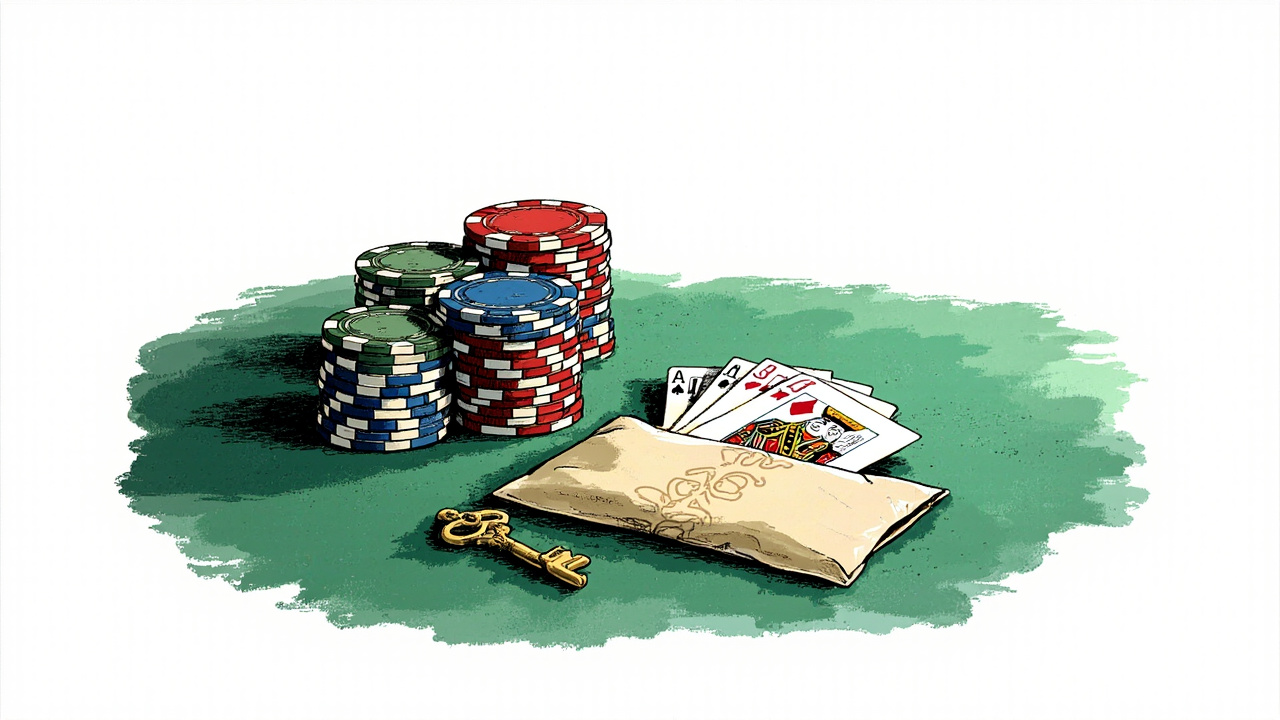
A dead hand in live poker usually means the cards are fouled, exposed, or the player acted out of turn. In regional Queensland clubs, the floor manager’s word is final, and they don’t muck around. If your hand touches another player’s cards or gets exposed to the table before showdown, it’s often killed immediately. I’ve seen mates lose a pot because they lifted a corner card while drinking a cold one. It’s not personal, just the rules. Sometimes a hand is declared dead because the player didn’t protect their cards or acted prematurely. You need to keep your hands close to your chest and wait for the action to come to you. If you’re unsure, ask the floor, but don’t argue once the cards are in the muck. Protecting your hand is your responsibility, plain and simple.
| Common Reasons for a Dead Hand | What Usually Happens |
|---|---|
| Cards exposed accidentally | Hand killed, pot awarded to others |
| Player acts out of turn | Hand may be killed depending on impact |
| Cards touch another player’s hand | Fouled hand, usually dead |
| Player fails to protect cards | Dealer may kill hand if it mixes into muck |
Strategy and Mistakes to Avoid
Basic strategy is the mathematically optimal play for every hand versus the dealer’s up card, but live poker is different. You’re playing against people, not just a machine. Still, knowing when to fold is crucial if you suspect your hand is compromised. Don’t try to bluff if your cards are slightly visible; the table will see it. I recall a session where a bloke tried to claim his hand was live after dropping it on the floor. The floor killed it straight away. No worries, but he lost the pot. Keep your cards in front of you, use a card protector if one’s available, and don’t touch your chips until the hand is complete. If you’re playing online sometimes, you might wonder about tools like HUDs, which you can read more about in what is a HUD for online play, but live tables don’t allow that tech. Keep it clean and legal.
Payments, Support, and Loyalty Perks
When you’re playing live, chips are the currency, but cashing out matters. Most Aussie clubs let you play with cash or buy-ins, and loyalty programs often track your play for comps. I’ve worked with operators where VIP tiers give you better table access or tournament entries. Support is usually face-to-face with the floor or manager, which is handy if something goes wrong with a hand. You don’t want to be emailing a support ticket when you’re in the middle of a arvo session. Registration isn’t needed for live tables, just buy your chips and sit down. Mobile usability doesn’t apply here, but knowing the venue’s rules beforehand helps. Some clubs offer loyalty points that convert to play credits, which is a nice bonus if you’re a regular. Always check the terms before you commit your hard-earned cash.
Deciding whether to play live poker comes down to knowing the rules and respecting the floor. A dead hand can ruin a good session, but staying alert and protecting your cards keeps you in the game. I’ve seen plenty of players lose out because they got sloppy, not because they lacked skill. Keep your play tight, ask questions if you’re unsure, and don’t try to bend the rules. Whether you’re in Brisbane or up north, the principles are the same. Play smart, keep your hands clean, and you’ll walk away with more than just stories.