


When I scope a wagering product, the first question is always who it actually suits, not which feature looks flashy on a slide. Bitcoin crash game sits in that same practical lane, built around a simple multiplier loop that rewards patience and timing rather than fast reflexes. I’ve shipped products where the hardest part was not the idea but getting stakeholder alignment on pace, risk and everyday usability, and that same discipline matters here. If you’re weighing this format against other crypto titles, it helps to treat it as a focused mechanic with clear limits, not a catch-all destination.
How the mechanic holds up in real sessions

The core loop is straightforward: a multiplier climbs, players cash out before it drops, and the house edge is baked into the curve. What I look for as a product lead is whether that simplicity survives contact with real player behaviour, because a clean concept can still feel clunky if the controls lag or the balance screen gets buried. In this case the experience stays compact, with the multiplier visible, the cash-out button obvious, and the bet slip never pretending to be something it isn’t. That restraint matters for sessions where you’re sitting in for a quiet arvo and want the game to stay out of the way.
The distinguishing traits are the transparent multiplier history, the speed of each round, and the way the interface keeps bet sizing front and centre. You can adjust stakes quickly without cycling through menus, which sounds minor until you’ve watched players lose interest because every adjustment took three taps. The rhythm is fast enough to keep attention but not so frantic that it turns into a blur, and that balance is exactly the kind of judgement call I’ve had to defend in delivery meetings when people wanted more bells and fewer brakes. If you’re comparing it with other crypto crash-style titles, the cleaner presentation is the main reason it earns a spot in a shortlist rather than a long one.
Who the format suits best
The first player-fit scenario is the measured punter who treats each round as a small decision, not a sprint. This format rewards people who can sit with a climbing number, decide when to take profit, and accept that the drop is always possible, which is the same kind of discipline I’ve seen separate sustainable sessions from wasted deposits in other products I’ve worked on. If you’re the type who prefers a steady pace and clear exit points, the mechanic lines up well with that mindset.
The second scenario is the casual player who wants something compact between bigger sessions, not a full evening commitment. The rounds are short, the learning curve is shallow, and you can step away without feeling like you’ve abandoned a complex bonus trail, which suits a busy week where you only have a few spare minutes. I’d flag that this is where the product shines most: it fits a short window without demanding much setup, and that’s a real usability win rather than a marketing line.
A third scenario is the crypto-curious player who already holds bitcoin and wants to use it without juggling a separate wallet flow for every session. The currency angle is practical here, because keeping everything in one chain reduces friction and makes deposits and withdrawals feel like a single loop instead of a patchwork. That said, the experience still depends on your own bankroll discipline, and no format removes the risk of chasing a streak that doesn’t go your way. Bitcoin Casino Crash Risks And Smarter
Bonus mechanics, payments and everyday usability
Bonus mechanics on this format tend to work best when they’re simple and tied to clear wagering terms, because a crash-style game doesn’t need a complicated reward maze to stay engaging. A sensible cash bonus or free-spin allowance can give new players a bit of room to learn the timing, provided the terms don’t bury you in impossible turnover targets. I’ve seen products lose trust when the bonus section reads like a puzzle, so the stronger move is a straightforward offer with readable limits and a payout path that doesn’t require a flowchart.
Payments and currencies stay anchored to bitcoin, with deposits and withdrawals moving in the same chain so you’re not switching between formats mid-session. The practical upside is speed and consistency, especially if you’re already comfortable managing crypto balances, but the trade-off is that value still moves with the market and your own timing. Registration is usually compact, mobile play is built around the same screen layout as desktop, and support needs to be reachable when a round behaves oddly or a transaction stalls. If a product can’t answer basic questions quickly, the cleanest game design in the world won’t save it. wolf-treasure-free-spins-au.com
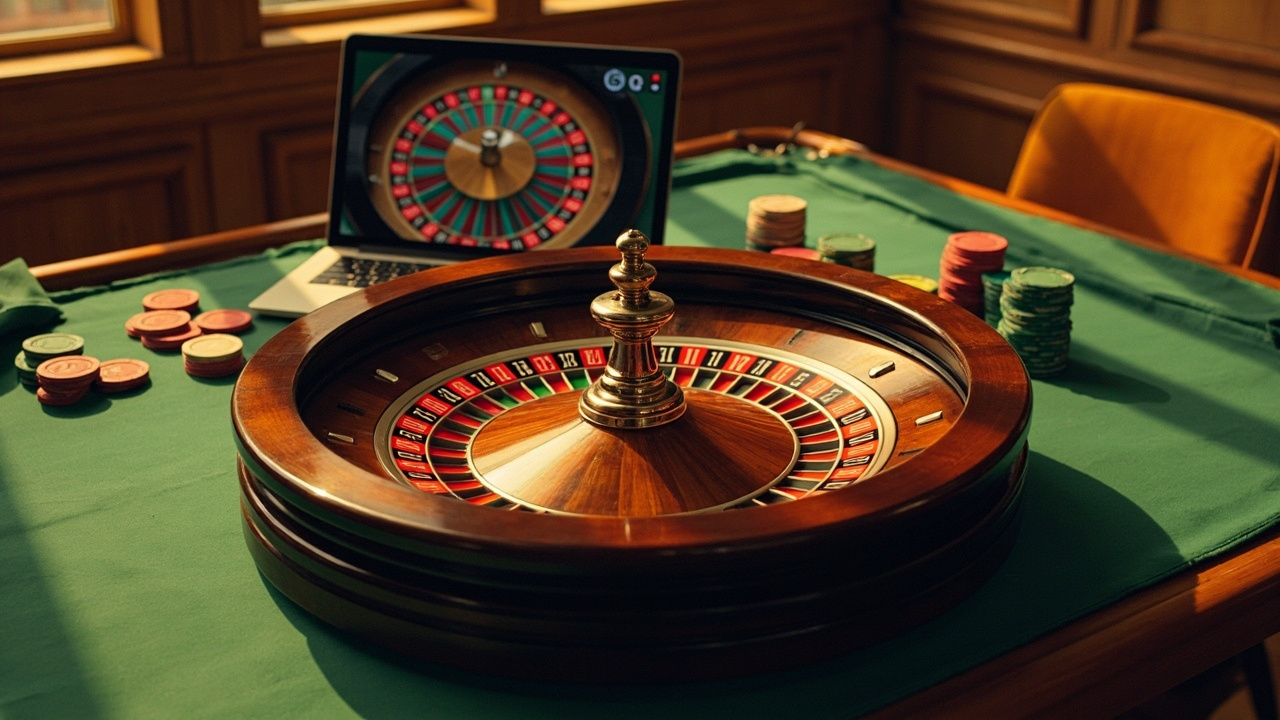
For a closer look at how crash-style risk and smarter slot checks fit together, it’s worth reading this related piece on Bitcoin Casino Crash Risks And Smarter Slot Checks before you settle on a session plan. That broader context helps if you’re comparing crash mechanics with other crypto titles and want to keep your expectations grounded.
Siting the session and keeping expectations realistic
Location and timing matter more than people expect, because a crash-style session is easier to manage when it fits your environment instead of fighting it. Darwin players, for example, often have long daylight hours and a pace that can suit short, focused sessions rather than marathon runs, which is exactly the kind of use case this format handles well. If you’re playing in a place where the afternoon stretches on, a compact game loop can fit neatly without turning into the main event of the day.
The same logic applies to bankroll habits. I’d rather see a player treat this as a timed session with a clear stop than as a thing that runs until luck turns, because the product’s strengths are pace and clarity, not a promise of a particular outcome. That’s the kind of stance I’ve pushed for in product reviews when the temptation is to sell the experience as something it isn’t, and it’s also the stance that keeps a session readable for the player.
If you’re comparing offers and want a bit of extra room to learn the timing, the welcome path at wolf-treasure-free-spins-au.com is one option worth checking for how it fits your own session style. It’s only useful if the terms line up with how you actually play, because a bonus that looks generous on paper can still feel awkward in practice.
Practical steps for a clean first session
- Set a bitcoin amount you’re comfortable using for the session and treat it as the ceiling, not a target to recover later.
- Open the bet slip, choose a stake, and decide in advance whether you’re aiming for a small steady take or a longer hold.
- Watch a few rounds before increasing the stake, because the timing feels different once real money is moving.
- Cash out when your pre-set point arrives, and don’t stretch the decision just because the multiplier is still climbing.
- Close the session when the time or budget you set at the start has been used, rather than letting the game decide the end.
The strongest read on bitcoin crash game is that it works best as a focused, easy-to-understand format for players who value pace, clarity and a simple bitcoin loop over a crowded feature list. It suits measured play, short sessions and crypto users who want one currency handling the whole flow, and it loses points only when expectations drift toward something it was never built to be. If you treat it as a compact mechanic with real limits, it can fit a sensible session without much fuss; if you want a bigger promise, you’re better off looking elsewhere.